Scalp Massage: A Simple Way to Achieve a Healthier Scalp
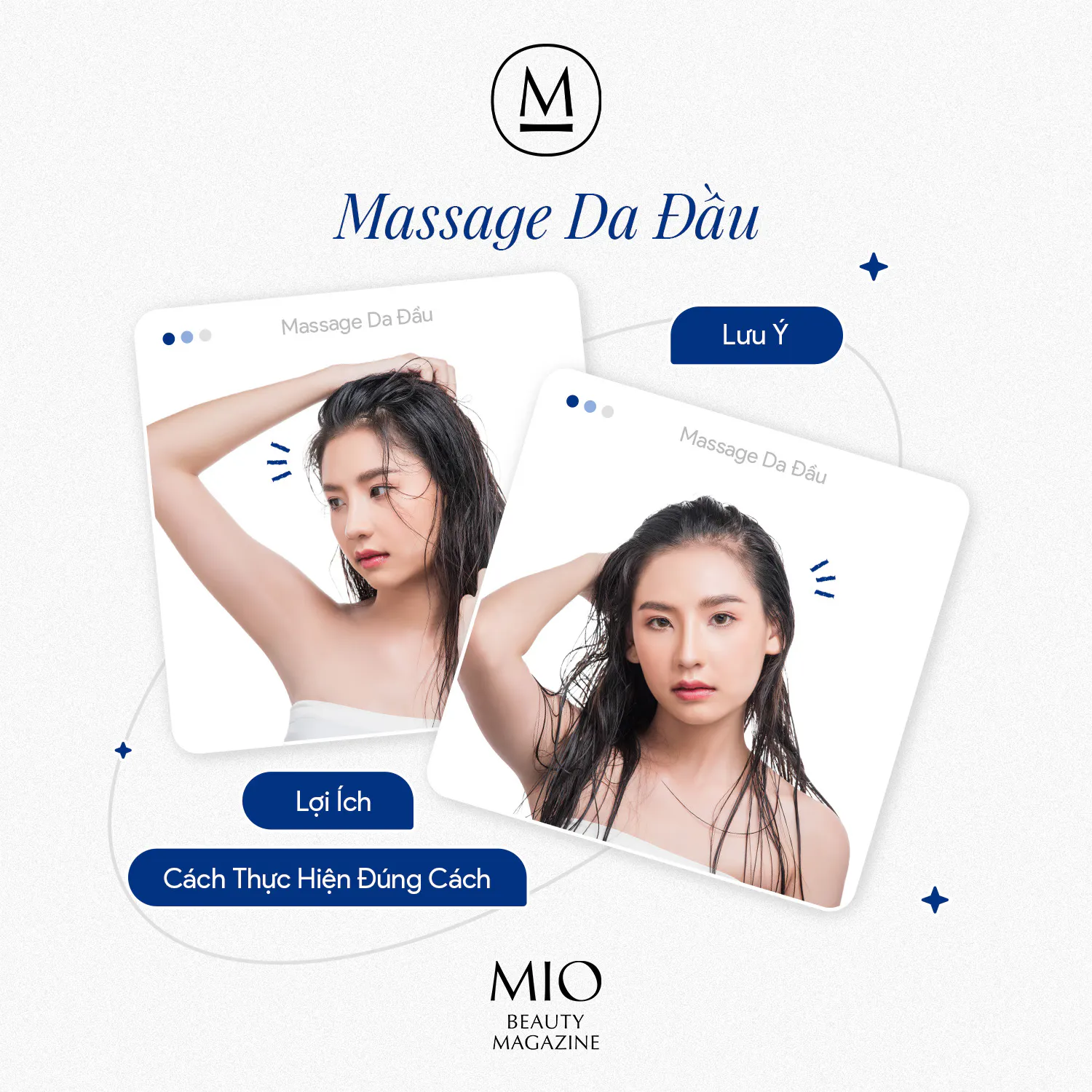
Scalp Massage: A Simple Way to Achieve a Healthie
Introduction
Do you often feel tension or stiffness in your scalp after a stressful day or long hours at a desk?
A tight scalp may be associated with a variety of concerns, including changes in hair volume and visible signs of aging. As the scalp and face are connected by a continuous layer of skin and underlying tissues, maintaining a healthy scalp environment is often considered an important part of overall beauty and well-being.
Scalp massage is a simple self-care practice that requires no special equipment and can be easily incorporated into a daily routine. It may help promote relaxation, support scalp comfort, and support healthy-looking hair. By gently relieving tension in the muscles around the head, scalp massage can also help create a sense of refreshment and support overall wellness.
In this article, we will explore some key benefits of scalp massage, important precautions to keep in mind, and the proper techniques to maximize its effectiveness.
Benefits of Scalp Massage
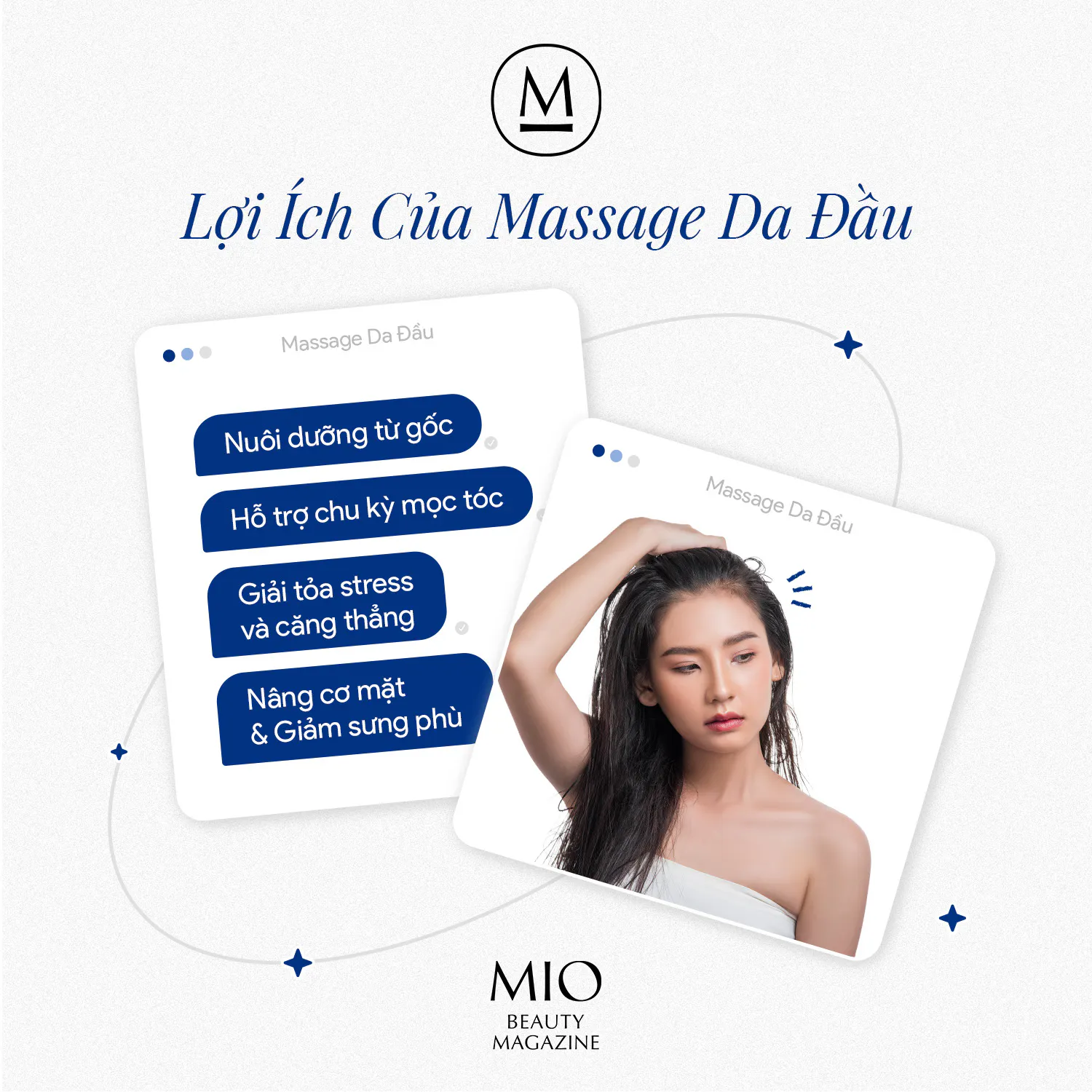
Create the Appearance of Fuller Hair
One of the most immediate benefits of scalp massage is that it can make your hair look fuller and more voluminous. By improving blood circulation and increasing scalp flexibility, hair is able to stand more easily at the roots, creating a naturally lifted appearance.
While scalp massage does not increase the actual number of hairs, it can help your hair appear thicker and healthier with minimal effort.
May Support Healthy Hair Growth
Regular scalp massage may help create a healthier environment for hair growth. The stimulation of the scalp is thought to activate dermal papilla cells, which play an important role in the hair growth cycle.
Although scalp massage is not a guaranteed solution for hair loss, maintaining a healthy scalp may support stronger and healthier hair over time.
In addition, scalp massage may provide beauty benefits beyond hair care, including reducing puffiness and promoting a refreshed appearance.
Promotes a Healthier Scalp
Healthy hair starts with a healthy scalp. Good circulation is essential for scalp health — blood vessels deliver oxygen and nutrients to scalp tissues while helping remove waste products.
By encouraging blood flow, scalp massage may help maintain conditions that support a healthy scalp environment and create a stronger foundation for healthy-looking hair.
Supports Normal Hair Growth
Because scalp massage encourages blood circulation, oxygen and nutrients can be delivered more efficiently to hair follicles. This may help maintain an environment that supports normal hair growth.
For people concerned about thinning hair or hair shedding, scalp massage can be a simple and effective addition to their daily hair-care routine.
Helps Relieve Stress and Tension
One of the main reasons many people enjoy scalp massage is its relaxing effect. Gentle stimulation of the scalp may help reduce feelings of stress and tension while promoting a sense of comfort and well-being.
This relaxing effect may be particularly beneficial for individuals whose scalp or hair concerns are influenced by stress and lack of sleep.
May Contribute to a More Refreshed Appearance
The scalp and facial muscles are closely connected through underlying tissues. By helping relieve tension in the scalp area, scalp massage may contribute to a more refreshed and relaxed appearance.
Certain massage techniques — particularly kneading movements that gently lift and move the scalp — are often associated with a subtle lifting effect, making scalp massage a popular addition to many people's overall beauty routines.
Potential Drawbacks and Precautions
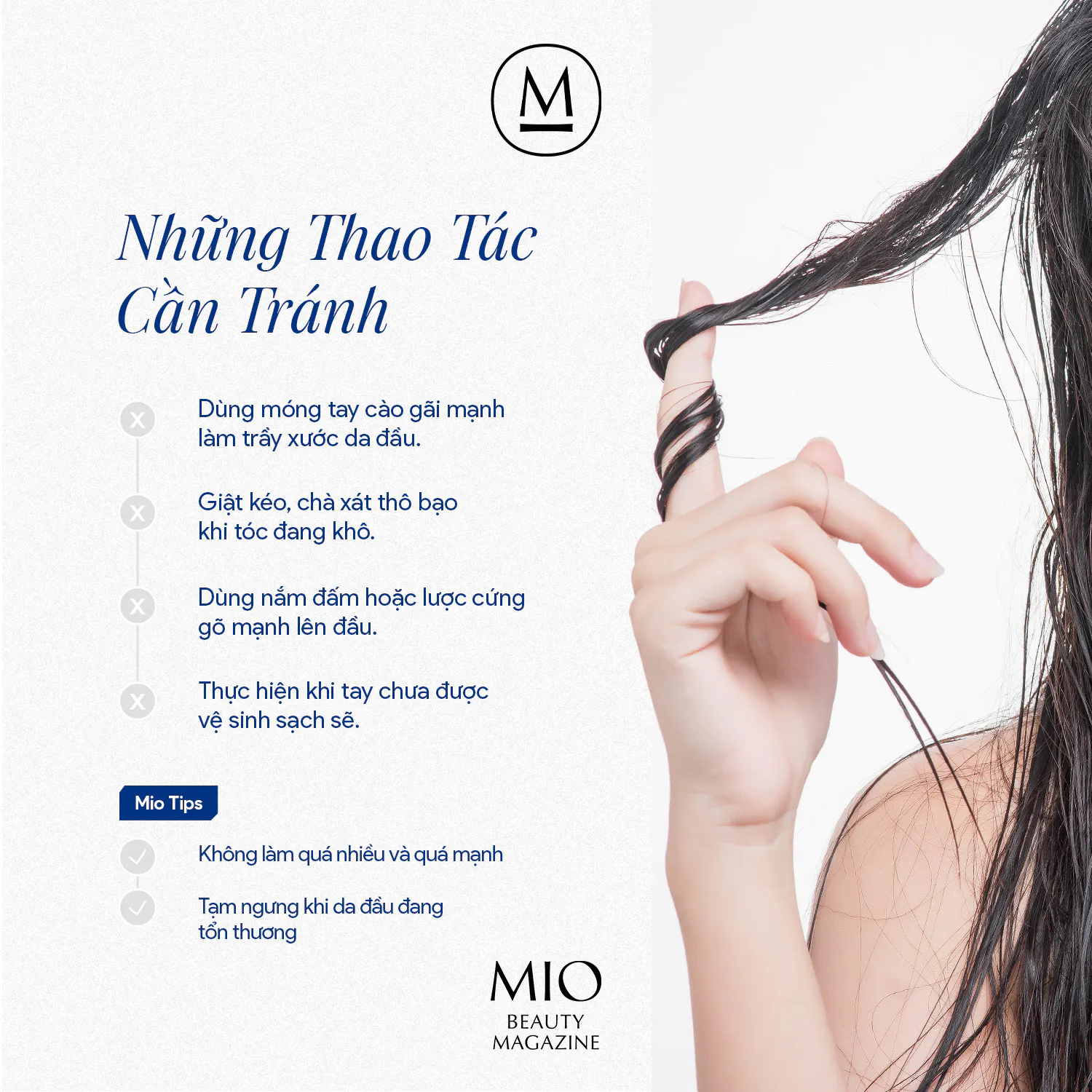
Although scalp massage offers many benefits, improper techniques can produce the opposite effect. Keep the following precautions in mind.
Avoid Excessive Pressure
Applying excessive force or massaging for prolonged periods in an attempt to achieve faster results can damage capillaries and hair follicles.
This may lead to scalp inflammation, increased hair shedding, and damage to the hair cuticle, resulting in dryness and breakage.
Aim for about five minutes per session, using gentle pressure that feels comfortable rather than painful.
Incorrect Techniques Can Be Counterproductive
The following practices should be avoided:
- Scratching the scalp with fingernails
- Pulling or rubbing dry hair aggressively
- Hitting the scalp with fists or hard brushes
- Performing massage with unclean hands
Instead, use clean hands and the pads of your fingers, focusing on moving the scalp itself rather than rubbing the hair.
Avoid Massage When Scalp Problems Are Present
Do not perform scalp massage if you have inflammation, eczema, rashes, infections, wounds, suspected seborrheic dermatitis, or scalp irritation caused by sunburn.
Physical stimulation may aggravate existing conditions. If you notice anything unusual, stop the massage and consult a dermatologist.
How to Perform a Scalp Massage Correctly: 5 Steps
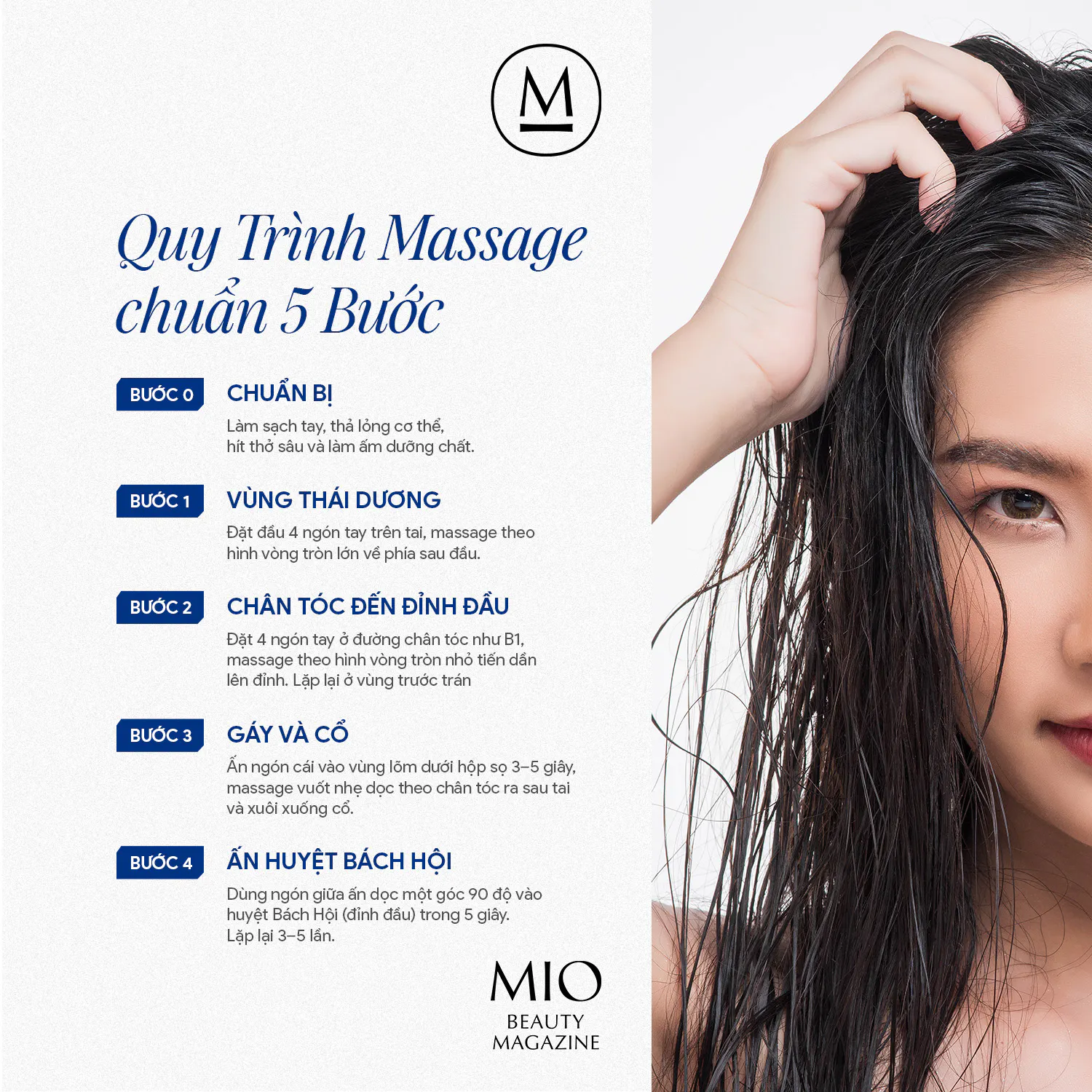
Step 0: Preparation
Wash your hands thoroughly and create a relaxing environment.
Sit comfortably, take three to five deep breaths, and gently stretch your neck and shoulders. If using a scalp oil or lotion, warm it between your palms before application.
Taking a warm bath or using a warm towel over the eyes beforehand may also help prepare the body and improve relaxation.
Step 1: Massage the Temples
Place your fingertips or the base of your palms above the ears and gently move the scalp in large circular motions toward the back of the head.
Because this area is closely related to eye strain and facial tension, use a comfortable level of pressure.
Step 2: Massage from the Hairline to the Crown
Place the pads of four fingers (excluding the thumbs) along the center of the hairline.
Rather than sliding your fingers across the skin, move the scalp itself in small circular motions. Gradually work outward and continue moving upward toward the crown.
Step 3: Massage the Back of the Head and Neck
Place your thumbs in the hollow area at the base of the skull and apply gentle pressure for three to five seconds using the weight of your head.
Work along the hairline toward the area behind the ears, then gently massage down the neck as if encouraging waste products to drain away.
Step 4: Press the Baihui Pressure Point
Locate the Baihui point at the top of the head, where the line connecting both ears intersects with the center line of the face.
Place your middle fingers on this point and apply gentle vertical pressure for about five seconds. Repeat three to five times, then finish by placing both hands over the head and taking several deep breaths.
3 Tips to Maximize Results
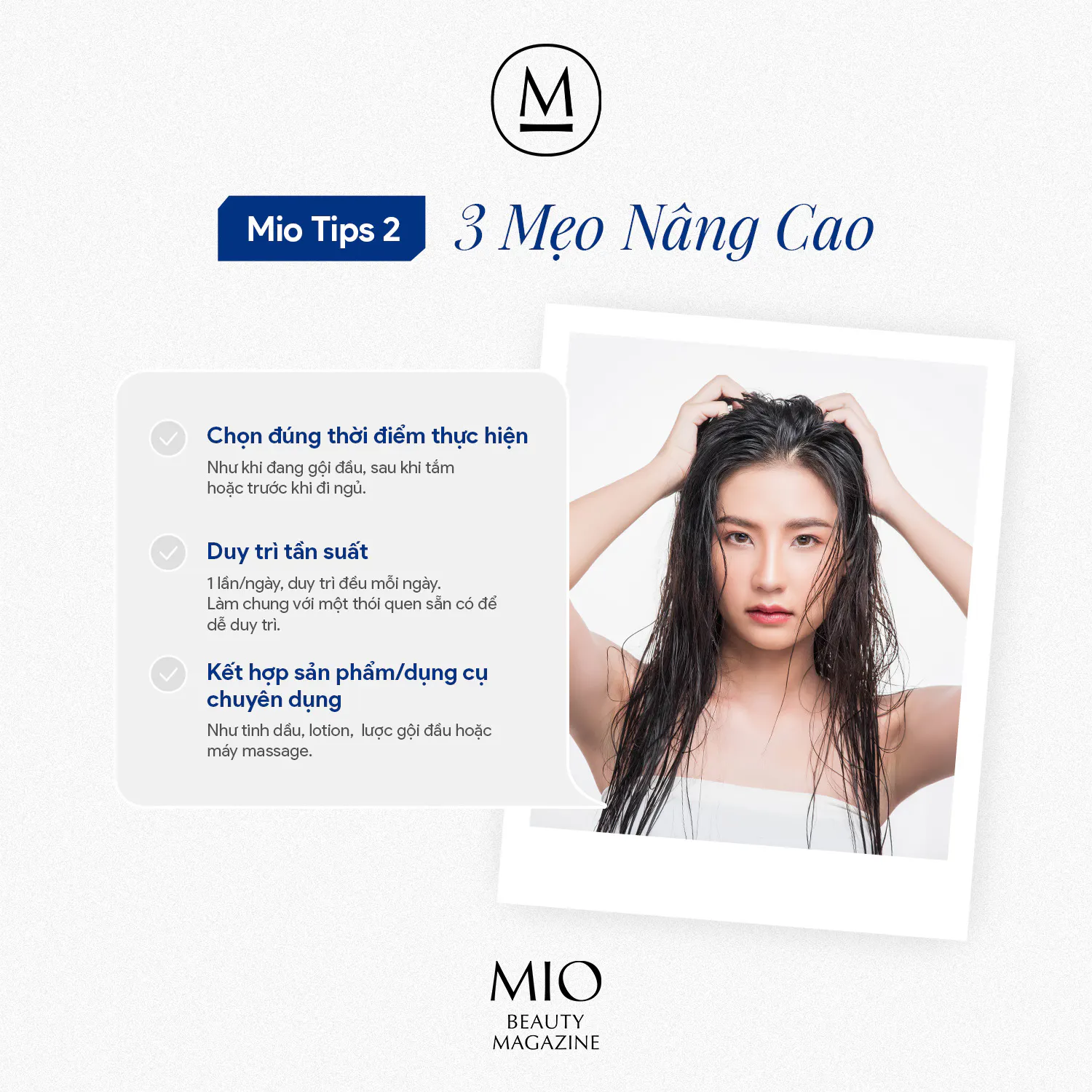
1. Choose the Right Timing
The best times for scalp massage are during shampooing, after bathing, or before bedtime.
Warm body temperature during bathing promotes circulation, while shampoo foam helps reduce friction. Before bed, massage helps activate relaxation responses and supports natural sleep.
2. Be Consistent
The ideal routine is approximately five minutes once a day.
Regular practice helps maintain healthy circulation and supports long-term benefits. Associating the massage with an existing habit, such as shampooing, can make it easier to maintain.
3. Use Specialized Scalp Care Products
Scalp oils and lotions can help reduce friction while providing moisturizing and circulation-supporting ingredients.
Manual or electric scalp massage tools may also provide more consistent stimulation while reducing strain on the hands.
Choose products and tools that suit your specific scalp concerns and preferences.
Take Care of Your Scalp the Right Way
Scalp massage offers a wide range of benefits, from supporting healthy hair growth and improving scalp condition to promoting relaxation and better sleep.
While there are precautions to keep in mind, practicing proper techniques consistently can significantly improve both scalp health and overall quality of life.
Start incorporating scalp massage into your daily routine and take the first step toward a healthier scalp and healthier hair.